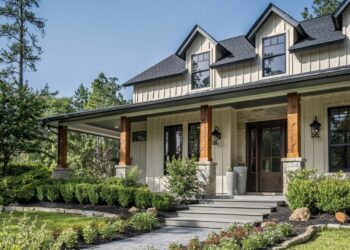
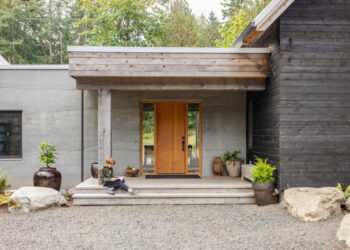
Natural wood siding houses exude charm and elegance, bringing a touch of nature to urban living. From the intricate patterns to the warm hues, these houses stand out for their unique appeal. Let's delve into the world of natural wood siding and uncover its secrets.
Introduction to Natural Wood Siding Houses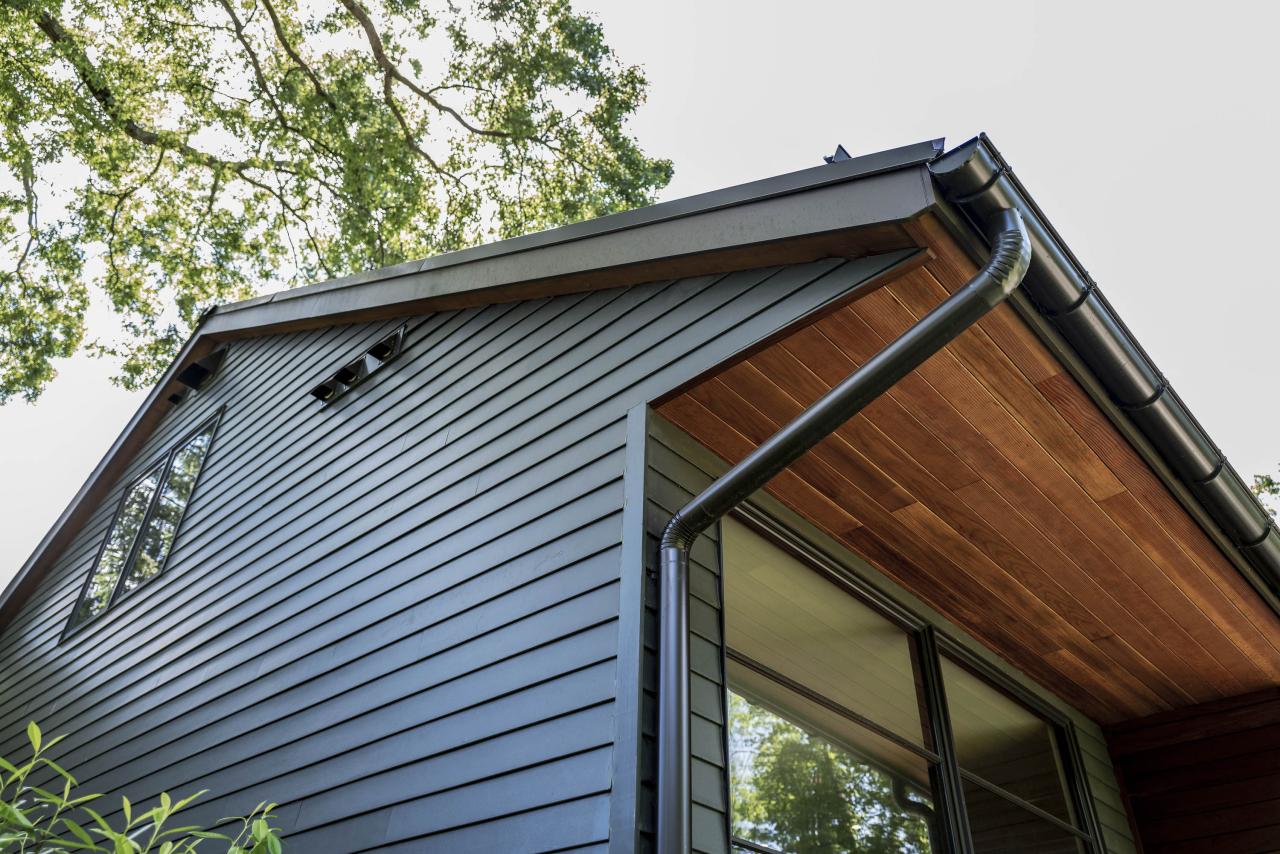
Natural wood siding is a popular choice for homeowners looking to enhance the aesthetic appeal of their houses. It involves using wooden materials to cover the exterior walls of a building, providing a warm and timeless look.
There are several benefits to using natural wood siding for houses. Firstly, wood is a sustainable and eco-friendly material, making it a great choice for environmentally conscious individuals. Additionally, wood siding is durable and can withstand various weather conditions, providing long-lasting protection for the structure.
Types of Wood Commonly Used for Siding
- Cedar: Known for its natural resistance to decay and insects, cedar is a popular choice for wood siding. It has a beautiful grain pattern and can be left untreated for a rustic look.
- Pine: Pine is a cost-effective option for wood siding and can be easily painted or stained to achieve a desired look. It is important to treat pine siding properly to prevent rot and decay.
- Redwood: Redwood is a premium choice for wood siding, known for its rich color and durability. It is naturally resistant to moisture and decay, making it a low-maintenance option for homeowners.
Design and Aesthetics
Natural wood siding on houses adds a timeless and warm aesthetic appeal that can enhance the overall design of a home. The unique texture, color variations, and natural beauty of wood can create a cozy and inviting atmosphere, making it a popular choice among homeowners looking for a classic and rustic look.
Styles and Finishes
Different styles and finishes of natural wood siding offer homeowners a variety of options to choose from based on their preferences and the architectural style of their home. Some common styles include:
- Horizontal clapboard siding: This traditional style features long, narrow boards that overlap horizontally, creating a classic look.
- Vertical board and batten siding: In this style, wide vertical boards are alternated with narrower strips (battens) to create a charming and rustic feel.
- Shingle siding: Wooden shingles can add a unique texture and visual interest to a home, giving it a cozy and cottage-like appearance.
Each style can be further enhanced with different finishes such as natural stain, paint, or weathered finishes to achieve a specific look. Whether you prefer a natural wood look or a painted finish, there are endless possibilities to customize the appearance of your home with natural wood siding.
Enhancing Overall Design
Natural wood siding can significantly enhance the overall design of a house by adding depth, character, and a connection to nature. The warmth and richness of wood can complement various architectural styles, from traditional to modern, creating a harmonious blend with the surrounding environment.In addition to its visual appeal, natural wood siding can also improve the insulation and energy efficiency of a home, making it a practical and sustainable choice for homeowners.
By choosing natural wood siding, you can not only enhance the aesthetic beauty of your home but also contribute to a more eco-friendly and energy-efficient living space.
Durability and Maintenance
Natural wood siding is known for its durability and timeless appeal, but its longevity can vary depending on the climate it is exposed to
. In general, natural wood siding can last for decades if properly maintained and cared for.
Durability in Different Climates
Wood siding performs well in moderate climates with consistent humidity levels. However, in areas with high humidity or frequent rain, wood siding is more susceptible to rot and mold growth. In dry climates, wood siding may dry out and crack over time.
To enhance durability, it is important to choose the right type of wood for your specific climate and apply protective finishes regularly.
Maintenance Tips
- Regularly inspect the wood siding for any signs of damage, such as cracks, rot, or insect infestations.
- Clean the siding at least once a year to remove dirt, debris, and mold. Use a mild detergent and a soft brush to prevent damage to the wood.
- Apply a fresh coat of paint or stain every few years to protect the wood from moisture and UV rays.
- Trim any overhanging branches or foliage near the siding to prevent damage from falling debris or excessive shade that promotes mold growth.
- Address any repairs promptly to prevent further damage and maintain the integrity of the siding.
Comparison with Other Siding Materials
Compared to other siding materials like vinyl or fiber cement, natural wood siding requires more maintenance to ensure its longevity. While vinyl siding is low maintenance and does not require painting, wood siding offers a unique aesthetic appeal and can be repaired and refinished easily.
Fiber cement siding is durable and resistant to rot and insects, but it lacks the natural warmth and character of wood.
Environmental Impact
When it comes to the environmental impact, natural wood siding for houses is considered a sustainable choice. Wood is a renewable resource that can be harvested responsibly, making it a more eco-friendly option compared to other materials.
Sustainability of Natural Wood Siding
One of the key aspects of using natural wood siding is its sustainability. Wood is a renewable resource that can be replenished through responsible forestry practices. By choosing wood siding, homeowners contribute to the demand for sustainably sourced wood, which helps in the conservation of forests.
Energy Efficiency Contribution
- Natural wood siding has natural insulating properties, which can help regulate indoor temperatures and reduce the need for excessive heating or cooling.
- This can lead to energy savings and a decrease in overall energy consumption, making wood siding a good choice for energy-efficient homes.
Eco-Friendly Aspects in Construction
- Wood siding is biodegradable and can be recycled or repurposed at the end of its lifespan, reducing waste in landfills.
- Compared to the production of synthetic materials, the manufacturing process of wood siding has a lower carbon footprint, making it a more eco-friendly option.
- Using natural wood siding can also contribute to better indoor air quality, as wood does not emit harmful chemicals or gases that can be present in some synthetic materials.
Final Summary
In conclusion, natural wood siding houses offer a harmonious blend of aesthetics and sustainability, making them a popular choice for homeowners looking to enhance their living spaces. With their timeless beauty and eco-friendly nature, these houses truly stand the test of time.
Question & Answer Hub
How do I protect natural wood siding from pests?
Applying a protective sealant and regularly inspecting for any signs of infestation can help prevent pests from damaging your natural wood siding.
Can natural wood siding be painted?
Yes, natural wood siding can be painted to change its color or enhance its protection against the elements. Make sure to use high-quality exterior paint for best results.
What is the average lifespan of natural wood siding?
With proper maintenance, natural wood siding can last anywhere from 20 to 30 years, depending on the type of wood used and the climate it is exposed to.