Exploring the intricacies of siding and roofing replacement cost brings to light the various factors that influence pricing, the different materials available, and estimation methods. This comprehensive guide delves into key aspects of cost analysis, offering valuable insights for those embarking on home improvement projects.
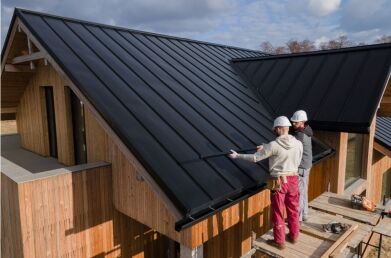
Factors Affecting Siding and Roofing Replacement Cost
When it comes to determining the cost of siding and roofing replacement, several key factors play a significant role in shaping the overall expenses. Understanding these factors can help homeowners make informed decisions and budget effectively for their home improvement projects.
Material Quality Impact
The quality of materials used for siding and roofing replacement directly affects the overall cost. High-quality materials, such as premium shingles or durable siding options, typically come with a higher price tag. However, investing in quality materials can result in longer-lasting and more visually appealing results, potentially saving money on future repairs or replacements.
Labor Costs
Labor costs are another crucial factor in determining the total expenses for siding and roofing replacement. Skilled labor is necessary to ensure proper installation and lasting durability. Labor costs can vary based on the expertise of the workers, project complexity, and even the demand for services in a particular area.
It's essential to factor in labor costs when budgeting for a replacement project.
Geographical Location
The cost of siding and roofing replacement can also vary based on geographical location. Certain areas may have higher labor rates or material costs, impacting the overall price of the project. Additionally, factors like climate and local building codes can influence the types of materials required for replacement, further affecting the total cost.
Homeowners should consider these location-based factors when estimating the expenses for their siding and roofing projects.
Types of Siding Materials
When it comes to siding materials for replacement projects, there are several options available, each with its own characteristics and benefits.
Vinyl Siding
- Vinyl siding is a popular choice due to its affordability and low maintenance requirements.
- It is durable and resistant to rot, mold, and insect damage.
- While the initial cost of vinyl siding is relatively low, it may need to be replaced sooner than other materials, impacting long-term costs.
Fiber Cement Siding
- Fiber cement siding is known for its durability and resistance to fire, rot, and insects.
- It requires minimal maintenance and can mimic the look of wood or stone.
- The initial cost of fiber cement siding is higher than vinyl, but its longevity can result in cost savings over time.
Wood Siding
- Wood siding offers a natural and timeless look, with various options such as cedar, pine, and redwood.
- It requires regular maintenance, including painting or staining, to prevent rot and insect damage.
- The initial cost of wood siding can be high, and ongoing maintenance expenses should be considered for long-term cost analysis.
Aluminum Siding
- Aluminum siding is lightweight, durable, and resistant to rust and insect damage.
- It requires minimal maintenance and can be painted to achieve different looks.
- The initial cost of aluminum siding is moderate, and its durability can provide cost savings in the long run.
Types of Roofing Materials
When it comes to roofing materials for replacement projects, there are several popular options available in the market. Each type of roofing material comes with its own set of pros and cons in terms of cost and longevity.
Asphalt Shingles
Asphalt shingles are one of the most common roofing materials due to their affordability and ease of installation. They come in a variety of colors and styles, making them a versatile option for many homeowners
. However, asphalt shingles have a shorter lifespan compared to other materials and may require more frequent replacement.
Metal Roofing
Metal roofing is known for its durability and longevity, with some metal roofs lasting up to 50 years or more. While the initial cost of metal roofing may be higher than other materials, its lifespan and low maintenance requirements can make it a cost-effective choice in the long run.
Metal roofing is also resistant to fire, mildew, and insects.
Wood Shingles
Wood shingles provide a natural and rustic look to a home, making them a popular choice for many homeowners. However, wood shingles are more expensive than asphalt shingles and require regular maintenance to prevent rot and decay. They are also more susceptible to fire, which may be a concern in certain climates.
Clay Tiles
Clay tiles are a durable and long-lasting roofing material that can withstand harsh weather conditions, making them ideal for areas prone to hurricanes or high winds. While clay tiles are more expensive than other materials, their longevity and low maintenance requirements can offset the initial cost over time.
Impact of Climate and Weather Conditions
The choice of roofing material is heavily influenced by the climate and weather conditions of the region. For instance, in areas with heavy rainfall or snow, metal roofing or clay tiles may be more suitable due to their water-resistant properties.
In regions with high temperatures or intense sunlight, materials like asphalt shingles or metal roofing that reflect heat may be preferred to keep the interior of the home cool.
Examples of Roofing Material Combinations
- Combining asphalt shingles with metal roofing can provide a balance between cost and durability, with the asphalt shingles offering affordability and the metal roofing adding longevity.
- Pairing wood shingles with clay tiles can create a visually appealing roof while still ensuring durability and weather resistance.
Cost Estimation Methods
When it comes to estimating siding and roofing replacement costs, there are several key factors to consider. The process involves evaluating the size of the project, the materials needed, labor costs, and any additional services required. It is essential to obtain accurate cost projections to avoid any surprises during the project.
Importance of Obtaining Multiple Quotes
It is crucial to obtain multiple quotes from different contractors or suppliers to ensure you are getting a fair and competitive price. By comparing quotes, you can get a better idea of the average cost of the project and make an informed decision.
Additionally, getting multiple quotes can help you negotiate better deals and potentially save money.
Tips for Budgeting and Cost-Saving Strategies
- Create a detailed budget outlining all expenses, including materials, labor, permits, and any additional costs.
- Consider using cost-effective materials without compromising quality to save money.
- Plan your project during the off-season when contractors may offer discounts or promotions.
- Look for any available rebates or incentives for energy-efficient materials or installations.
- Consider DIY options for simpler tasks to reduce labor costs, but be cautious of tackling complex projects without professional help.
DIY Costs vs. Professional Installation Costs
When comparing DIY costs versus professional installation costs for siding and roofing replacements, it is essential to consider the following:
- DIY costs may be lower initially, but mistakes or lack of experience could lead to additional expenses down the line.
- Professional contractors have the expertise, tools, and resources to complete the project efficiently and effectively.
- Professional installation often comes with warranties or guarantees, providing peace of mind and protection for your investment.
Epilogue
In conclusion, understanding the nuances of siding and roofing replacement cost is essential for making informed decisions when it comes to renovating your home. By considering factors like material quality, labor costs, and geographical variations, homeowners can better navigate the complexities of this crucial aspect of home maintenance.
Frequently Asked Questions
What factors can affect siding and roofing replacement cost?
Factors like material quality, labor costs, and geographical location can significantly impact the overall replacement cost.
What are some common types of siding materials used in replacement projects?
Common siding materials include vinyl, wood, fiber cement, and metal, each with unique durability and maintenance requirements.
How can one estimate the cost of siding and roofing replacement?
Cost estimation involves assessing material costs, labor expenses, and obtaining multiple quotes for accurate projections.