Delving into the realm of siding and roofing replacement cost, this article aims to provide a comprehensive insight into the key factors, materials, estimation methods, and value considerations associated with these projects. From understanding the impact of material quality to negotiating with contractors, this guide is designed to equip homeowners with the necessary knowledge for informed decision-making.
Factors Affecting Siding and Roofing Replacement Cost
When considering the cost of siding and roofing replacement, there are several key factors that can influence the overall expense. These factors can vary depending on the specific project and materials chosen.
Material Quality
The quality of the materials used for siding and roofing replacement plays a significant role in determining the overall cost. High-quality materials may come at a higher price initially, but they often offer better durability and longevity, potentially saving homeowners money in the long run.
Cheaper materials may be more affordable upfront but could require more frequent repairs or replacements, increasing the overall cost over time.
Labor Costs
Labor costs are another crucial factor in determining the total expense of siding and roofing replacement. The complexity of the project, the size of the home, and the expertise of the laborers can all impact labor costs. Additionally, location can also influence labor costs, as rates may vary depending on the region.
Additional Costs
In addition to material and labor costs, homeowners should also consider other expenses when budgeting for siding and roofing replacement projects. Permit fees, disposal of old materials, potential structural repairs, and any unforeseen issues that may arise during the project can all add to the total cost.
It is essential to account for these additional costs to avoid any budgetary surprises.
Types of Siding and Roofing Materials
When it comes to siding and roofing materials, there are several options available, each with its own set of characteristics and associated costs. Choosing the right material is crucial as it can impact the overall cost-effectiveness and durability of the replacement.
Common Siding Materials and Replacement Costs
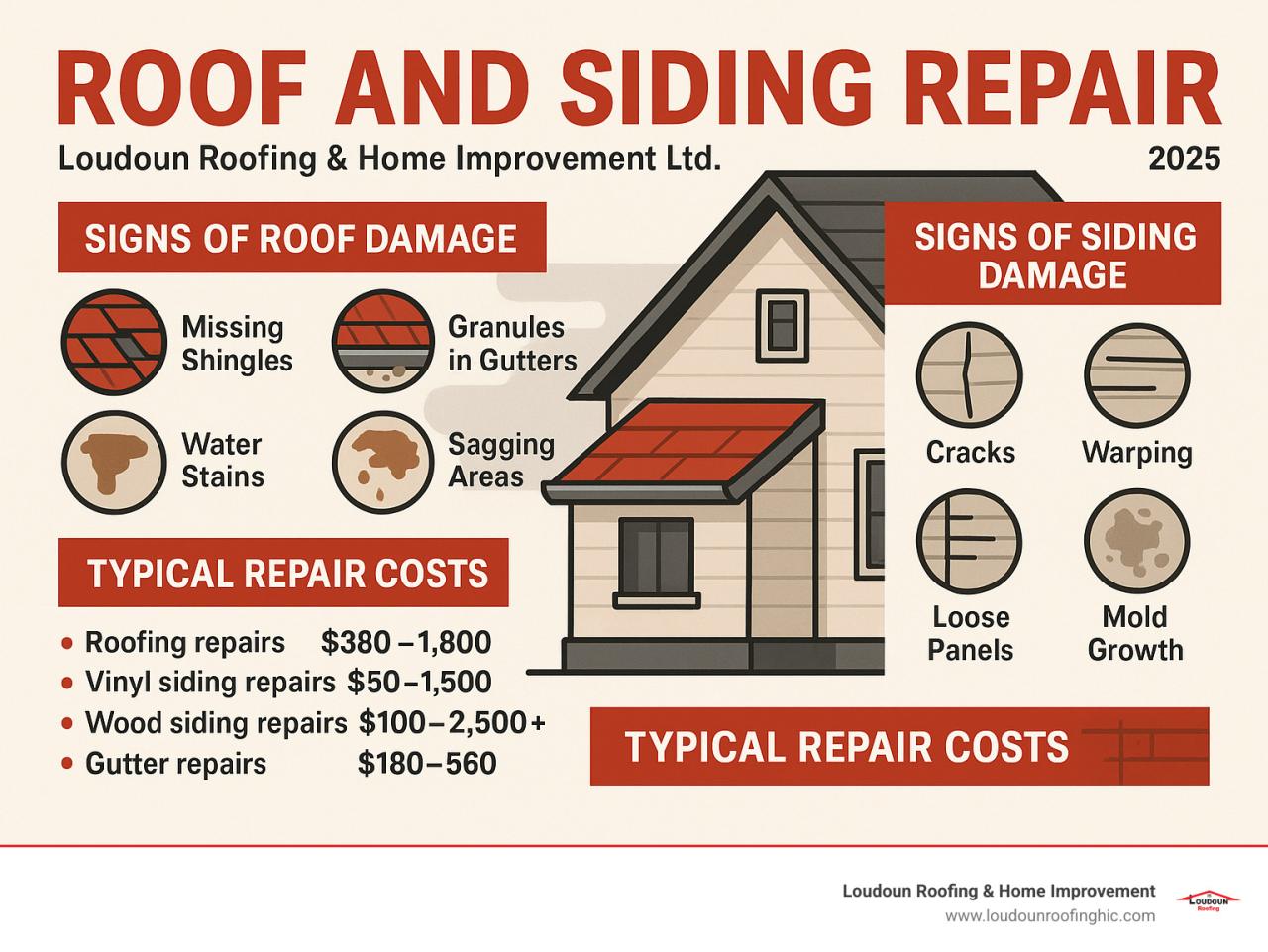
- Wood Siding: Wood siding is a popular choice for its natural aesthetic appeal, but it requires regular maintenance to prevent rot and decay. The replacement cost for wood siding can range from $6 to $9 per square foot.
- Metal Siding: Metal siding is durable and low-maintenance, making it a cost-effective option in the long run. The replacement cost for metal siding ranges from $7 to $12 per square foot.
- Vinyl Siding: Vinyl siding is affordable and easy to maintain, but it may not offer the same level of durability as other materials. The replacement cost for vinyl siding typically ranges from $3 to $7 per square foot.
- Fiber Cement Siding: Fiber cement siding is known for its durability and resistance to rot and pests. The replacement cost for fiber cement siding can range from $5 to $10 per square foot.
Durability and Maintenance of Roofing Materials
- Asphalt Shingles: Asphalt shingles are a popular roofing material due to their affordability and ease of installation. However, they may require more frequent replacement compared to other materials. The cost of replacing asphalt shingles can range from $3 to $6 per square foot.
- Metal Roofing: Metal roofing is highly durable and can last for decades with minimal maintenance. The replacement cost for metal roofing ranges from $5 to $15 per square foot, depending on the type of metal used.
- Tile Roofing: Tile roofing is known for its longevity and aesthetic appeal, but it can be costly to replace. The replacement cost for tile roofing can range from $10 to $20 per square foot.
- Slate Roofing: Slate roofing is a premium option known for its beauty and longevity. While the initial cost may be high, slate roofing can last for over a century, making it a cost-effective choice in the long term.
Cost Estimation Methods for Siding and Roofing Replacement
When it comes to estimating the cost of siding and roofing replacement, there are various methods that contractors use to come up with an accurate quote
. Homeowners can also follow certain steps to calculate an approximate budget for their project, ensuring they are well-prepared for the expenses involved.
Typical Calculation Methods by Contractors
Contractors typically consider several factors when calculating siding and roofing replacement costs. These factors may include the size of the project, the materials needed, labor costs, permits, disposal of old materials, and any additional features or customization requested by the homeowner.
Step-by-Step Guide for Homeowners
1. Measure the area to be replaced
Start by measuring the square footage of the siding or roofing that needs to be replaced.
2. Research material costs
Look into the prices of different siding and roofing materials to get an idea of the cost per square foot.
3. Estimate labor costs
Factor in the labor costs based on the complexity of the project and the rates in your area.
4. Include additional expenses
Don't forget to account for permits, disposal fees, and any extra features or upgrades.
5. Add contingency funds
It's wise to set aside a buffer for unexpected expenses that may arise during the project.
Importance of Obtaining Multiple Quotes
Getting multiple quotes from different contractors is crucial as it allows homeowners to compare prices, services offered, and the quality of work. This can help in making an informed decision and potentially saving money on the overall replacement cost.
Tips for Negotiating with Contractors
- Be clear about your budget and expectations from the beginning.
- Ask for a detailed breakdown of the costs involved in the project.
- Don't hesitate to negotiate on the price, especially if you have received lower quotes from other contractors.
- Consider bundling multiple projects together for a better deal.
- Discuss payment schedules and options to ensure a mutually beneficial agreement.
ROI and Value Considerations of Siding and Roofing Replacement
Investing in high-quality siding and roofing replacements can significantly increase the resale value of a home. These upgrades not only enhance the curb appeal of the property but also provide added protection and durability, making the home more attractive to potential buyers.
Energy Efficiency and Cost Savings
When considering siding and roofing materials, it's essential to look beyond the initial cost and consider the long-term benefits they can offer. Certain materials, such as energy-efficient siding and roofing options, can help reduce energy consumption and ultimately lead to cost savings over time.
- High-quality insulation materials can improve the energy efficiency of a home, reducing heating and cooling costs throughout the year.
- Solar reflective roofing materials can help lower the temperature of the roof surface, decreasing the need for air conditioning in hot climates.
- Investing in durable siding materials can minimize maintenance and repair costs over the years, providing a strong return on investment.
Balancing Cost and Value
While it's important to consider the upfront costs of siding and roofing replacements, it's equally crucial to evaluate the potential value these upgrades can bring to your property.
Choosing high-quality materials that offer energy efficiency and durability can not only enhance the aesthetic appeal of your home but also increase its overall value in the real estate market.
End of Discussion
In conclusion, navigating the realm of siding and roofing replacement cost involves a careful balance of factors such as material quality, labor costs, and long-term value considerations. By arming yourself with the information presented here, you are better prepared to embark on your replacement project with confidence and clarity.
Expert Answers
What are some additional costs homeowners should consider for siding and roofing replacement?
Homeowners should factor in costs for permits, disposal of old materials, any necessary structural repairs, and potential unforeseen issues that may arise during the project.
How can the choice of siding and roofing materials impact long-term cost-effectiveness?
Opting for durable, low-maintenance materials may require a higher upfront cost but can lead to significant savings in repairs and replacements over time, making it more cost-effective in the long run.
What is the importance of obtaining multiple quotes for replacement projects?
Getting multiple quotes allows homeowners to compare prices, services offered, and the quality of materials, helping them make an informed decision and potentially save money on the overall replacement cost.
How can investing in high-quality siding and roofing replacements impact a home's resale value?
High-quality replacements can enhance curb appeal, increase energy efficiency, and improve overall aesthetics, all of which can positively influence the resale value of a home.